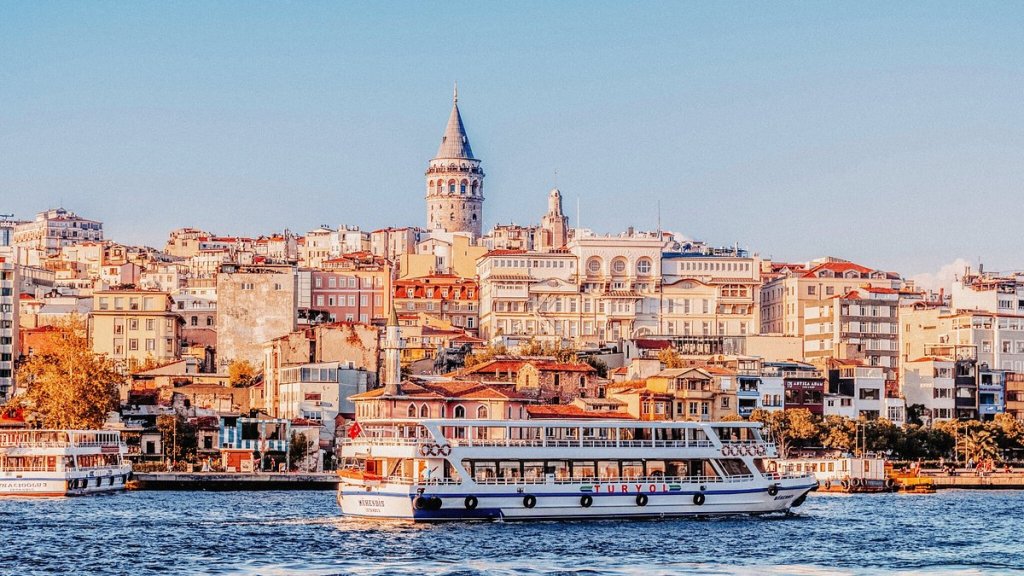
In Istanbul, timing matters as much as location. The same square can look flat and crowded at noon and beautiful an hour after sunrise. If you plan a photography trip, the schedule should follow the light, not only the sightseeing list.
Early morning: the quiet hours
The old city is at its best before the tour buses arrive.
- Sultanahmet Square. Soft light on Hagia Sophia and the Blue Mosque, and far fewer people.
- Galata Bridge. Fishermen line the rails at dawn, with the skyline of the Golden Horn behind them.
- Balat and Fener. Colorful houses and narrow streets look best in gentle morning light, before the lanes fill up.
In midsummer the sun rises around 5:30, so a “sunrise shoot” means a very early start. In winter it rises after 7:00, which is much easier on a group.
Midday: go indoors
The sun is hard and the streets are full. This is the time for interiors.
- Grand Bazaar and Spice Bazaar. Mixed light, color and movement. Go at opening time, when the crowds are thinner.
- Mosque and museum interiors. Strong shafts of light, but visiting hours around prayer times vary, so check them.
- Basilica Cistern. A dark, atmospheric space that is excellent for low-light practice.
Late afternoon to sunset: the best light
- Galata Tower area and the streets below it. Warm light on stone and tiled facades.
- Üsküdar waterfront. The Maiden’s Tower stands in the water with the old city behind it, a classic sunset view.
- Bosphorus by boat. Palaces, waterside villas and bridges in low light, from a different angle.
Blue hour and evening
Just after sunset, the city lights come on while the sky is still deep blue.
- İstiklal Street and the historic tram, with light trails and street life.
- Ortaköy Mosque and the bridge behind it.
- The Golden Horn skyline, with the old city lit up.
Seasons
- Spring and autumn: the most comfortable, with good light and mild temperatures.
- Summer: very early starts, a long midday break and late sunsets.
- Winter: the sun stays low, so golden light lasts longer. There are fewer visitors, and fog and rain can give the city a mood you do not get in summer.
What this means for your program
- Build the day around two or three good shooting windows instead of a full sightseeing schedule.
- Put interiors and the bazaars in the middle of the day.
- Allow time between locations. Photographers walk slowly.
- Check the rules at each place for tripods, flash and photography at certain hours, and tell your clients in advance.
How we plan it
Our Istanbul Photography Workshop is a sample program that we rebuild for each group, with timing based on the season, the group’s level and the equipment they bring. You can see the sample on our [Istanbul Photography Workshop page].In Istanbul, timing matters as much as location. The same square can look flat and crowded at noon and beautiful an hour after sunrise. If you plan a photography trip, the schedule should follow the light, not only the sightseeing list.
Early morning: the quiet hours
The old city is at its best before the tour buses arrive.
- Sultanahmet Square. Soft light on Hagia Sophia and the Blue Mosque, and far fewer people.
- Galata Bridge. Fishermen line the rails at dawn, with the skyline of the Golden Horn behind them.
- Balat and Fener. Colorful houses and narrow streets look best in gentle morning light, before the lanes fill up.
In midsummer the sun rises around 5:30, so a “sunrise shoot” means a very early start. In winter it rises after 7:00, which is much easier on a group.
Midday: go indoors
The sun is hard and the streets are full. This is the time for interiors.
- Grand Bazaar and Spice Bazaar. Mixed light, color and movement. Go at opening time, when the crowds are thinner.
- Mosque and museum interiors. Strong shafts of light, but visiting hours around prayer times vary, so check them.
- Basilica Cistern. A dark, atmospheric space that is excellent for low-light practice.
Late afternoon to sunset: the best light
- Galata Tower area and the streets below it. Warm light on stone and tiled facades.
- Üsküdar waterfront. The Maiden’s Tower stands in the water with the old city behind it, a classic sunset view.
- Bosphorus by boat. Palaces, waterside villas and bridges in low light, from a different angle.
Blue hour and evening
Just after sunset, the city lights come on while the sky is still deep blue.
- İstiklal Street and the historic tram, with light trails and street life.
- Ortaköy Mosque and the bridge behind it.
- The Golden Horn skyline, with the old city lit up.
Seasons
- Spring and autumn: the most comfortable, with good light and mild temperatures.
- Summer: very early starts, a long midday break and late sunsets.
- Winter: the sun stays low, so golden light lasts longer. There are fewer visitors, and fog and rain can give the city a mood you do not get in summer.
What this means for your program
- Build the day around two or three good shooting windows instead of a full sightseeing schedule.
- Put interiors and the bazaars in the middle of the day.
- Allow time between locations. Photographers walk slowly.
- Check the rules at each place for tripods, flash and photography at certain hours, and tell your clients in advance.
How we plan it
Our Istanbul Photography Workshop is a sample program that we rebuild for each group, with timing based on the season, the group’s level and the equipment they bring. You can see the sample on our Istanbul Photography Workshop page.

