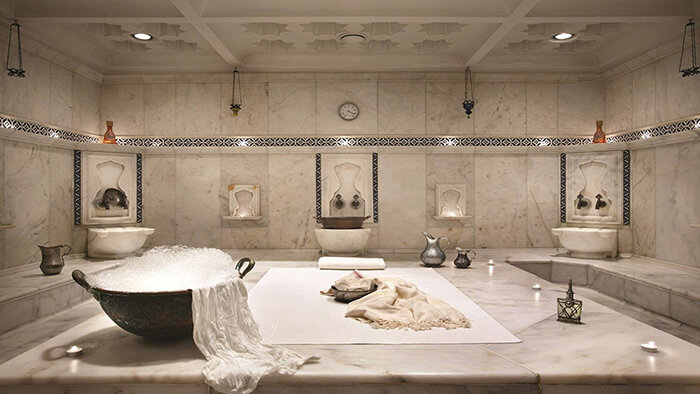
Turkey is a paradise for those seeking a healthy lifestyle, with its centuries-old hammam culture and modern spa experiences. Especially in recent years, Turkish baths and spa centers have become not only a historical experience but also a sanctuary for rebirth in the modern world. In this article, we will explore the rich history of Turkish baths and why both local and international tourists continue to choose this rejuvenating experience.
The History of Turkish Baths
The Turkish bath, or hammam, has roots in Roman and Byzantine traditions but was fully embraced and developed during the Ottoman Empire. Hammams were not just places for physical cleansing, but also for social and spiritual renewal. Men and women would visit the hammam on separate days or in different sections, enjoying both physical relaxation and socializing.
In a traditional Turkish bath, the body is purified of toxins through hot stones, scrubbing (kese), and soap massages, leaving the skin refreshed and the mind at ease. These rituals have been cherished for centuries due to their health benefits, including improving blood circulation, reducing stress, and providing overall relaxation.
The Modern Hammam and Spa Experience
Today, Turkish baths combine traditional techniques with modern spa treatments to offer a comprehensive wellness experience. Many luxury hotels and spa centers in Turkey offer Turkish hammam experiences that go beyond the classic rituals of scrubbing and soap massage. They now include aromatherapy, skincare treatments, and a variety of modern spa services.
This fusion of tradition and innovation has made Turkish baths a sought-after experience not just for historical interest but also as an ideal retreat from the stress of modern life. As a result, Turkish baths, especially in the context of health tourism, have gained significant importance, with many spa centers incorporating hammam rituals into their wellness packages.
The Best Hammam and Spa Centers in Turkey
Turkey is home to a wide range of luxurious hammam and spa centers. Istanbul is at the forefront of this tradition, with iconic locations such as the historic Sultanahmet Hammam and Kılıc Ali Pasa Hammam. For those seeking a modern twist on the hammam experience, cities like Istanbul, Antalya, Bodrum, and Cappadocia boast luxury hotels offering world-class spa services.
In particular, Cıragan Palace Kempinski Spa in Istanbul and Rixos Premium Spa in Antalya are well-known for providing a modern version of the Turkish hammam experience. These centers combine traditional hammam rituals with luxurious spa services, ensuring visitors leave feeling completely rejuvenated.
The Benefits of Turkish Baths
The benefits of Turkish baths extend beyond physical relaxation. Here are some of the key advantages:
- Detoxification: The combination of steam and scrubbing accelerates the removal of toxins from the body.
- Skin Health: Exfoliation and soap massage leave the skin healthier and more radiant.
- Relaxation and Stress Relief: Both physical and mental relaxation help reduce stress levels.
- Improved Blood Circulation: The hot environment and massage stimulate blood flow, boosting energy levels.
- Relief from Muscle Pain: Turkish baths can alleviate muscle soreness, especially after physical activities.
The Turkish Hammam Experience: The Secret of Renewal
In recent years, one of the biggest draws for tourists visiting Turkey has been the experience of rejuvenation and renewal offered by Turkish baths and spa centers. With the increased focus on health and well-being post-pandemic, these centers have seen a surge in popularity.
The hammam and spa experience is not just a ritual of cleanliness and care but also an opportunity to take a break from the fast pace of life, allowing the body and mind to rejuvenate. If you ever visit Turkey, we highly recommend you take the time to experience this ancient tradition in modern spa centers, where you can enjoy a perfect blend of history and luxury.
 WALKS TURKEY